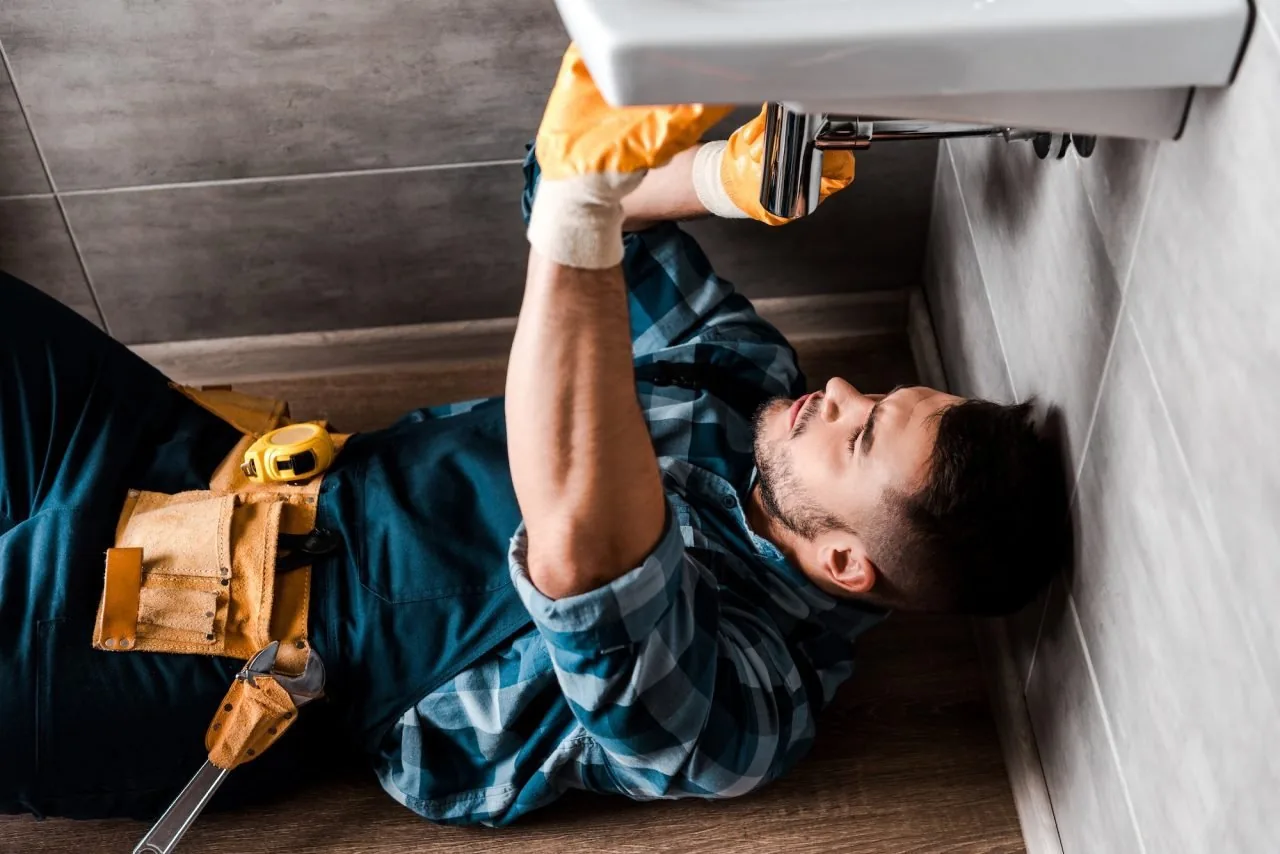
Plumbing Fixture Installation in Grand Prairie, TX
Grand Prairie Plumbing Experts provides professional plumbing fixture installation and repair for homes throughout Grand Prairie. We install and service faucets, sinks, toilets, tubs, showers, and other fixtures, helping improve appearance, water efficiency, and everyday plumbing performance.
Fixture installation in Grand Prairie for homes and condos
Grand Prairie Plumbing Experts installs faucets, toilets, shower valves, and sinks for houses, townhomes, condos, and businesses across Grand Prairie. Fixture installation in Grand Prairie, TX is the work we do when a handle fails, a bowl rocks, or a vanity comes out, in homes and businesses. Our calls also cover other plumbing services, including drain cleaning, pipe repair, hot water heater service, garbage disposal repair, emergency plumbing, and slab leak repair when the fixture is only the visible end of the problem.
Around Moore-North Street and Downtown near Main Street, many baths still have galvanized steel and cast iron from the early 1900s through the 1950s, and a new faucet can twist a rusted nipple to pieces. We test the supply, the drain, and the tank before anyone opens a wall, then we repair what that test named. Crews run 24/7, and we leave the deck wiped, the old trim bagged, and the water on so the room is usable again. Westchester and Grand Peninsula toward the south edge tend to show copper, PVC, or PEX, so the fight there is often a tired valve body rather than rusted steel.
Those two housing patterns in 75050 are why a fixture visit starts with tests, not with a trim kit. The notes that follow walk through the failures we see and how we choose a repair, a replacement, or a line behind the wall. If the room is already wet, the stop should be shut if it still turns, and we will take it from there.
Other Services
Get Same-Day Service Now!
Dripping Faucet or Running Toilet? Get an Expert Fixture Repair
Fixture problems we see in Grand Prairie houses
Dripping faucets and worn cartridges
A drip after you shut the handle is a worn cartridge or a scored seat, and it gets worse in Grand Prairie because hard water leaves mineral on those moving parts. A faucet dripping all night stains the basin and keeps you listening to the drain. College Street baths with original galvanized steel add grit that cuts a new washer in weeks if the nipple stays. Living with that drip means wasted water and a handle nobody can trust.
What you might notice first
- A drip at the spout after the handle feels snug
- A handle that turns farther than it did last year
- White crust on the aerator that returns after you soak it
- A stain in the porcelain that you wipe and see again
- A faint hiss at the faucet when nobody is using water
- Moisture on the shutoff that was dry last month
- A sprayer that will not snap back into place
- Cold water that feels warm because the mixer no longer seals
We pull the handle, read the cartridge, and flush the stub before we talk about faucet repair or a full faucet installation. If the stop leaks or will not hold, the stop comes first so the new faucet sits on a valve we can kill. We set the faucet after same-day diagnosis on the stops and risers, and we watch every joint with the water on. Leaving rusted steel behind a new chrome body is how a drip returns in a week.
Toilets that rock, run, or leak at the base
When a toilet rocks on the floor, the wax is already losing its seal. Slab houses in Grand Prairie can tilt a bowl when the soil moves, and pier and beam houses in Avion Village often have a closet flange sitting short of overlayed finish floors. A running toilet soaks the ring from above while a base leak soaks it from below, and either one can stain a crawl space ceiling. Dye in the tank and a dry floor check tell us which side failed before we pull the bowl.
Signs it is time to call
- The bowl shifts when someone sits
- Water at the base after a flush
- A ghost flush that starts on its own
- A tank that refills with nobody in the room
- Soft flooring beside the bowl
- A sewer smell at the closet
- Mineral crust on the closet bolts
- A tank that sits twisted so the lid will not rest
We pull the bowl, measure flange height, and repair a cracked or low flange before any toilet installation. To install a new toilet on an old flange we dry-fit the horn, choose ring thickness, and set the bowl so it does not rock. If dye leaves the bowl and the wet area sits away from the base, we treat it as slab leak repair instead of another wax ring. Toilet repair that ignores the flange only hides the leak until the next flush.
Shower valves that will not hold temperature
Temperature that jumps from cold to scald is a mixing valve that no longer balances, not a mystery in the handle. Shower repair in later Grand Prairie houses is often a cartridge, while older baths need a new body after both supplies are tested. People ask for a plumber to install a new shower trim when the handle spins or the water never settles. Until that valve is right, every shower is a guess.
How this shows up in the house
- Water that goes scalding when a toilet flushes
- A handle that spins without changing temperature
- Drips at the tub spout after the shower is off
- Stains in the stall from a slow leak at the stem
- A trim plate that sits crooked on cracked plaster
- Almost no hot water at the shower while the sink is fine
- A squeal when the valve opens
- Moisture in the wall cavity after a shower
If the whole house is tepid, we look at the hot water heater before we open tile. When the heater is fine, we isolate both supplies, pull the cartridge, and read the body. We replace a shower valve behind the wall when the body is worn or the plaster is already open, and a cartridge is enough when the body is sound. We pressure-check the new valve before the wall goes back so a hidden joint does not leak into the studs.
Supply stops that will not close
The small valve under a sink is the only shutoff you have in that room, and a shutoff valve will not turn off when mineral locks the stem or the steel body has rusted through. In Grand Prairie that stop is often original galvanized, and forcing it can snap the stub in the wall. A kitchen or bath then has no local shutoff, so a dripping faucet becomes a whole-house water kill. Replacing the stop is small work until the stub is thin.
Clues at the stop
- A handle that will not budge by hand
- Drips from the packing nut when the handle moves
- Rust flakes on the riser
- A stop that spins without closing
- Water at the floor when the faucet is off
- A plastic line that has bulged at the nut
- Green crust on a chrome stop
- No water at the faucet even with the stop open
Shutoff valve replacement starts with the house valve so we are not working live. We cut out a failed stop, read the stub, and if the steel is thin we move to pipe repair on that short run instead of threading a new valve onto rust. New stops and new lines go on together so a new fixture leaks at the supply line less often. We open the water and watch the joints before we leave the cabinet.
Sink, vanity, and kitchen faucet work
Pulling a vanity is when hidden plumbing shows itself. A bathroom sink faucet leaking under the cabinet may be a failed line, a cracked trap, or a deck hole that never matched the faucet. Sink installation in Grand Prairie condos and houses has to honor the existing drain height and the stop locations, or the new cabinet will not sit. Kitchen faucet replacement the same day works when the deck hole matches and the stops hold, and it waits when the stub is the real failure.
What customers usually see
- A cabinet floor that stays wet
- A faucet that wobbles on the deck
- A trap that drips after the sink is used
- A hole in the deck too large for the new body
- Paint that peels under the bowl
- A sprayer hose that kinks behind the sink
- A supply that is too short for the new cabinet
- A basin that pulls away from the backsplash
We dry-fit the sink, set the faucet, and connect new lines after the stops prove they hold. Vanity work includes the trap and the stops because a finished cabinet on a leaking trap is still a leak. For kitchen faucet replacement we measure the hole, check the weight of the new body, and brace it so it does not spin. If the drain is backing up, we stop fixture work and treat the line as a drain problem instead of more caulk.
New trim on older pipe and on newer builds
New bathroom fixtures on old pipe fail at the joint, not at the chrome. Galvanized on the older streets and later copper or PEX south of Interstate 30 toward Joe Pool Lake need different adapters, and a mismatch drips as soon as the water hits it. Punch-list trim on a newer build can hide a valve that was never tightened or a PEX crimp that sits short. We treat both as a test of the pipe, then we pick trim that matches what is in the wall.
Early hints before the wall opens
- A new faucet that drips at the adapter
- Builder trim that spins on the valve
- A shower handle that hits the tile because the valve sits deep
- PEX that weeps at a crimp behind the stop
- A toilet that will not sit because the flange was poured low
- Paint blisters on a new wall beside the valve
- A supply line that is too short after the new vanity depth
- Cold water in the hot line from a crossed pair at the valve
On older piping we replace the last steel nipple so the new fixture does not thread onto rust. On newer builds we tighten or replace the valve body when punch-list trim was covering a leak. Setting trim that skips that check is how a week-old bath starts staining the cabinet. We cap, pressurize, and only then set the visible parts.
Dripping Faucet or Running Toilet? We’ll Fix It Today
Call Now
Checks to make before you call us
A little checking at the fixture helps us arrive with the right stops and trim, and it keeps a small drip from becoming a sprayed cabinet. You do not need tools beyond your eyes and a cup. Leave anything that fights you alone, especially a frozen stop. If water is spraying and the stop will not kill it, that is emergency plumbing, and the house valve should be used instead of fighting the fixture.
Safe checks at the fixture
- See whether the stop under the sink or toilet still turns by hand
- Set a cup under a drip to learn if it is the spout or the handle
- Note whether the toilet bowl rocks before anyone sits
- Photograph the brand on the faucet or shower trim
- Lift the tank lid and see if the flapper sits on the seat
What to leave alone
- Do not force a frozen stop with pliers
- Do not keep flushing a bowl that leaks at the base
- Do not open shower tile to chase a cartridge
- Do not reuse a crushed supply line on a new faucet
- Do not set a new toilet on a wet floor until the source is known
Repair the fixture, replace it, or fix the line
Some fixture calls are a cartridge. Some are a new body. Some are a bad line that will ruin whatever we set on it. In Grand Prairie that choice follows the test, not the finish on the handle. We would rather name the line first than set a faucet that drips on day two.
Repair the fixture
A repair makes sense when the body is sound and the failure is a washer, a cartridge, a flapper, or a fill valve. Many later houses still have solid valve bodies with light-duty cartridges that wear in hard water. We replace that part, flush the mineral, and check the stops. A dripping faucet with a good body does not need a whole faucet installation. The repair leaves the deck and the tile alone and gets the room back in use.
Replace the fixture
Replacement is the right path when the body is cracked, the finish is gone into the metal, the deck hole is wrong, or you want a different handle layout. Toilet installation belongs here when the bowl is stained into the porcelain, the tank weeps at the bolts, or a flange repair needs a new horn match. We still test the supply and the drain so the new piece is not sitting on a failure. Trim choice follows the pipe, including adapters for galvanized or PEX. A vanity or kitchen faucet with a cracked body follows the same path.
Fix the line behind it
If the stub is thin, the copper is pinholed, or the PEX crimp weeps, no fixture will hold. That job is pipe repair on a short run, and we do that before chrome goes back on. Soil movement can rack a stub so the stop sits at an angle and never seals. Opening a wall for a shower valve is this same fork in the road, because the visible trim is the last piece. Skipping the line and setting new bathroom fixtures on it is how a week-old install stains the cabinet.
Why homes and businesses call us for fixture work
Testing happens before we cut
On older Grand Prairie housing we cap the supply, watch the drain, and only then talk about trim, so we are not opening tile for a cartridge that was never the problem. Gauges and caps leave with the truck from E Main Street. The reading tells us whether you need a faucet body or a line. Neighbors meet a plumber in Grand Prairie who will name that result before a wall comes open.
Parts for these houses ride on the truck
Stops, supply lines, wax rings, cartridges, and common faucet bodies ride with us so a simple swap does not wait on a second trip. Galvanized nipples and PEX rings both go on the truck because the city has both. We load closet bolts and flange repair rings for toilets that rock. That kit is how a first visit can finish a straightforward fixture.
The room is left ready to use
Old trim is bagged, the deck is wiped, and the water is on so you can wash up. We watch the new joints for a few minutes before we pack the tools. Cabinets get a dry floor, not a pile of parts. If a joint weeps, we remake it before we leave.
Calls come in at any hour
Availability is 24/7 because a supply line can let go after midnight the same as at noon. Night work still follows the same checks on the stop and the drain. We do not skip the stop check because the clock is late. A spraying line still starts with the house valve, then the fixture.
How a fixture visit runs from call to close
You reach out with the fixture and the room
Tell us which fixture failed, whether the house is slab or pier and beam if you know, and whether the stop still turns. A photo of the faucet or shower trim helps us load the right cartridge. If the floor is already wet, say that so we can plan protection. That message is enough to get a crew moving toward your street.
We set a time that fits the house
Someone needs to be home to show the fixture and the house shutoff. We pick a window that works, including nights and weekends. If the room is spraying, we come sooner and start at the house valve. You will know who is coming and which fixture we will open.
We test and explain what failed
On site we isolate the fixture, check the stop, and look at the drain. We show you the failed part in plain words before we cut or set anything. If the line behind the trim is the problem, we say that before a new faucet goes on. You then choose among a repair, a replacement, or a line fix with those facts in front of you.
We install and check every joint
After you choose, we repair or set the fixture, replace weak stops, and fit new lines. Water comes back on while we watch every joint. We flush the aerator, seat the toilet so it does not rock, and confirm the shower mixes. The room is wiped and the old trim is bagged before we leave.
How clay and city water wear fixture trim
In Grand Prairie the Houston Black and Heiden clay heaves when it is wet and shrinks when it is dry, and that movement tweaks the stubs that feed a faucet or a toilet. City water sits near ten grains per gallon, which is hard, so cartridges and shower valves scale and start to drip. Summer heat and peak demand add more cycles on those same valves, especially when wells come online and the mineral load climbs. We treat the fixture as the last part of that chain and we test the supply and the drain before we set new trim.
Other plumbing work that sits behind fixtures
When every fixture is tepid, hot water heater repair is the visit instead of another shower cartridge. When a wet spot sits in the slab away from the toilet base, slab leak repair is the next step. When a line is spraying and the stop will not kill it, emergency plumbing is the right call rather than a scheduled faucet swap.
Questions homes and businesses ask about fixture work
Why does a new faucet still drip on older Grand Prairie piping?
Older houses in Grand Prairie often feed a faucet through a galvanized nipple that sheds grit. A new cartridge then scores on that grit and the drip comes back. We open the stop, flush the stub, and replace thin steel before the new faucet goes on. Hard water near ten grains per gallon adds scale on the seats, so we clean those too. That sequence is why a faucet installation lasts.
What should I do when the toilet keeps running after the flapper is new?
A toilet that keeps running after a flapper swap often has a fill valve that no longer shuts, a flapper seat that is pitted, or a tank water level that sits over the overflow. In Moore-North Street tanks, mineral from hard water pits that seat. Dye in the tank shows whether water slips into the bowl at rest. We read the fill valve, the flapper, and the supply before we talk about a full toilet installation. If the bowl rocks, the run may be a base leak, not a tank part.
Can you install a new toilet on an old flange in a pier and beam house?
Yes, and the flange height is the detail that matters. On pier and beam floors in older Grand Prairie houses, overlayed wood often leaves the closet flange below the finish floor, so a standard wax ring never seats. We measure that gap, repair a cracked flange, and then set the bowl so the horn meets the ring. Crawl space access lets us see the waste too. A toilet installation on a short flange without that check will seep at the base within weeks.
When do you open the wall for a shower valve instead of the cartridge?
Cartridges fail first, and many showers in later houses toward Westchester need only that part. We replace a shower valve behind the wall when the body is worn, the plaster is cracked around the trim, or the mixing unit no longer holds a temperature even with a new cartridge. Opening the wall is the last step, after the supply tests clean. A plumber to install a new shower trim should still pressure-check the body before tile goes back.
Is there a fixture installation plumber near me who tests the supply and the drain before setting a new toilet?
That is the order we use on every toilet and faucet call in Grand Prairie. We cap or close the stops, watch the drain for a slow stack, and only then set the fixture. Same-day diagnosis still includes those supply and drain checks on toilet day. Houses off Belt Line Road with later PEX still get the same order because a hidden pin hole will weep at the riser once the new bowl has water in it. The test names the repair before trim goes in.
Should the shutoff valve be replaced during kitchen faucet replacement?
If the stop is original steel or if a shutoff valve will not turn off, we replace it with the faucet. Forcing a frozen handle can twist the stub inside the wall and turn a kitchen job into a pipe repair. We close the house valve, swap the stop, then set the faucet and new lines. Kitchen faucet replacement the same day is possible when the stops hold and the deck hole matches. If the valve crumbles, we repair the stub first and finish the faucet after that joint is sound.
Why does a new fixture leak at the supply line after a vanity swap?
Flexible lines take a set, and old ferrules do not seal on a new stop. A bathroom sink faucet leaking under the cabinet is often a reused line or a stop that was barely closed. We put new lines on new stops, snug the nuts, and watch the joints with the water on. Punch-list trim in later builds can hide a valve that was never tightened. If the leak is in the wall, we stop and treat it as a line repair instead of more caulk.
Do houses toward Westchester still need shower valve replacement on later pipe?
Copper, PVC, and PEX in Westchester and Grand Peninsula still use mixing valves that fail from mineral and from age. Shower valve replacement is common when the cartridge no longer mixes even though the pipe itself is sound. Summer peak use runs those valves harder. We still test the supply because a later house can have a pinched PEX fitting behind a builder-grade trim plate. The valve body comes out only after that test.
Grand Prairie Plumbing Experts handles faucets, toilets, shower valves, stops, and vanities for houses, townhomes, condos, and businesses in Grand Prairie. We test first, then we repair the part, replace the fixture, or fix the line behind it. For a plumber in Grand Prairie who works these rooms every day, start with the fixture that failed and the stop that feeds it. Other plumbing services cover the heater, the drains, and the buried lines when trim is not the whole story. When a handle, a bowl, or a valve no longer does its job, we will test it and name the repair.
Reach out to us for assistance.
Zip codes we serve: 75050, 75051, 75052, 75054
Plumbing Experts Services
Complete Plumbing Care for Your Entire Home
Whether it’s the kitchen, bathroom, or sewer line, we have the tools and training to handle any challenge your plumbing system throws at us.
Don’t risk it with your plumbing. We combine years of experience with modern technology to deliver lasting repairs and installations. Our team respects your time and your property.